In the modern context of global societal development, characterized by rapid globalization, intense economic competition, and fast progress in science and technology, adapting the vocational education system to the requirements of the time and labor market has become crucial.
Secondary vocational education institutions, including technical colleges, play a decisive role in training mid-level specialists and providing the national economy with skilled personnel. In such conditions, the development of educational institutions cannot rely solely on internal experience; there is a need to adopt advanced international experience and expand foreign relations. Today, international relations are one of the main factors for the sustainable development of educational institutions, allowing them to improve the quality of education and ensure competitiveness at national and international levels.
The Technical College of the Tajik Technical University named after Academician M. Osimi, as one of the leading vocational education institutions in the country, has in recent years actively developed foreign relations, establishing productive partnerships with several educational institutions and international organizations. These collaborations contribute to expanding the college’s activities, improving curricula, introducing new technologies, and enhancing the professional level of teachers and students. Practical experience shows that international cooperation is key to achieving significant results in institutional development.
The essence of international relations lies in establishing cooperation between educational institutions, scientific and industrial organizations, and international bodies, aimed at exchanging knowledge, experience, and technology. In today’s knowledge-based economy, such exchange is particularly important. International relations allow curricula to be aligned with international standards, introduce new teaching methods, and adapt the educational environment to global requirements. They also foster human capital development, improve teachers’ professional skills, and broaden students’ perspectives.
One of the most important areas of international relations at the technical college is educational cooperation, through which curricula are improved, joint courses and dual-degree programs are implemented. This ensures that students are prepared for both domestic and international labor markets. Additionally, student and faculty exchanges are an effective form of international collaboration. These programs allow students to study in new educational environments and enrich their practical experience, while faculty members learn modern teaching methods and innovative technologies.
Another key area of international cooperation is participation in research projects. Collaborating with foreign institutions in this field enhances the scientific level of the college, facilitates the development of new technologies, and implements scientific achievements in practice. It also provides opportunities to attract investment and access modern equipment, which is vital for the college’s material and technical development.
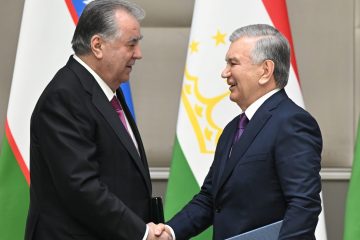
Practical experience shows that in recent years, partnerships have been established with institutions in Russia, China, Kazakhstan, Uzbekistan, and other countries. These collaborations have included seminars, conferences, professional development courses, and student exchange programs. Several joint educational and research projects have been implemented, providing a foundation for further development. This demonstrates that international relations not only improve the quality of education but also strengthen the institution’s international reputation.
Despite significant achievements, challenges and limitations exist in developing international cooperation. These include limited funding, insufficient human resources, low foreign language proficiency, and lack of experience in managing international projects. Additionally, cultural differences and organizational features may affect collaboration. However, global experience shows that these challenges can be overcome through proper strategies and targeted actions.
For the future development of the college’s international relations, several strategic measures should be implemented. Primarily, partnerships with leading foreign institutions should be expanded, international investment attracted, and active participation in international programs ensured. Simultaneously, it is essential to enhance teacher qualifications, develop student exchange programs, and integrate digital technologies in education. Implementing these measures will contribute to the college’s sustainable development and alignment with modern requirements.
International relations serve as a crucial factor in the development of vocational education institutions, enhancing education quality, human resource development, and alignment with international standards. The experience of the Technical College of the Tajik Technical University named after Academician M. Osimi shows that expanding international collaboration fosters sustainable development and strengthens the institution’s international prestige. Therefore, reinforcing the college’s policy on foreign relations and recognizing it as a strategic priority is essential.
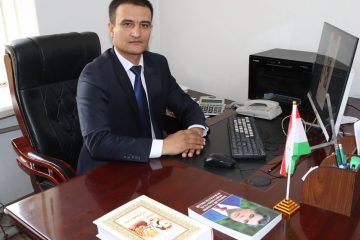
Zoirjon Hakimov, Deputy Director for International Relations, Technical College of the Tajik Technical University named after Academician M. Osimi