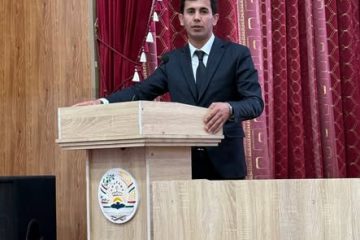
“It can be proudly stated that the Republic of Tajikistan, along with several culturally and linguistically related countries, was at the forefront of efforts to globalize Navruz and made a significant contribution to its international recognition. Thanks to this global status, the most valuable traditions of Navruz have been revived. We must study its history and traditions more deeply.”
Emomali Rahmon
Navruz is considered one of the oldest celebrations of humanity, marking the arrival of spring and the renewal of nature. This ancient holiday, with a history spanning thousands of years, has become not only a national but also an international celebration. By the decision of the United Nations, Navruz gained international status and is now celebrated annually in many countries around the world.
Navruz, meaning “new day,” is one of the most ancient festivals of the Tajik people, with a history of over 5–6 thousand years. Thanks to the efforts of the Founder of Peace and National Unity — Leader of the Nation and President of the Republic of Tajikistan, Emomali Rahmon, this holiday has been recognized internationally and is now celebrated worldwide.
Navruz symbolizes the victory of light over darkness, awakening over ignorance, love over hatred, and joy over sorrow. Unlike many other holidays, it is a truly natural celebration that emerged without formal decisions and does not depend on social agreements for its existence. It reflects the harmony between the beauty of nature and human appreciation of it, fostering respect for nature over centuries.
Among its traditions are spreading joy, helping those in need, and supporting the less fortunate. Navruz is a people’s holiday that brings prosperity to every home, announces peaceful life, and encourages farmers to begin their agricultural work.
In Tajikistan, Navruz is one of the most important national holidays. People have celebrated it since ancient times as the beginning of the new year and the rebirth of nature. Before the holiday, homes are cleaned, neighborhoods are improved, and preparations are made. These acts symbolize purity, renewal, and a new beginning.
One of the key traditions is setting a festive table with national dishes such as sumanak, flatbread, sweets, and fruits. Sumanak, made from sprouted wheat, symbolizes abundance and happiness. Its preparation is accompanied by songs and brings women together, strengthening bonds of friendship and kindness.
Navruz celebrations in Tajikistan also include cultural and sporting events such as concerts, traditional games, wrestling competitions, and horse racing. These events help preserve national culture and promote ancestral values.
Navruz is also a celebration of unity and friendship. People visit each other, show respect to elders, and spend joyful moments with loved ones. These values strengthen social cohesion and mutual understanding.
Today, Navruz is recognized worldwide as a valuable cultural heritage. It symbolizes peace, coexistence, and respect among nations.
Navruz is a celebration of the renewal of both nature and humanity, observed in Tajikistan with great splendor. Preserving and honoring this sacred holiday is the duty of every individual, as it connects our past, present, and future.
Ilhom SAFAROV, Deputy Director for Educational Affairs, Technical College of TTU named after Academician M. Osimi